


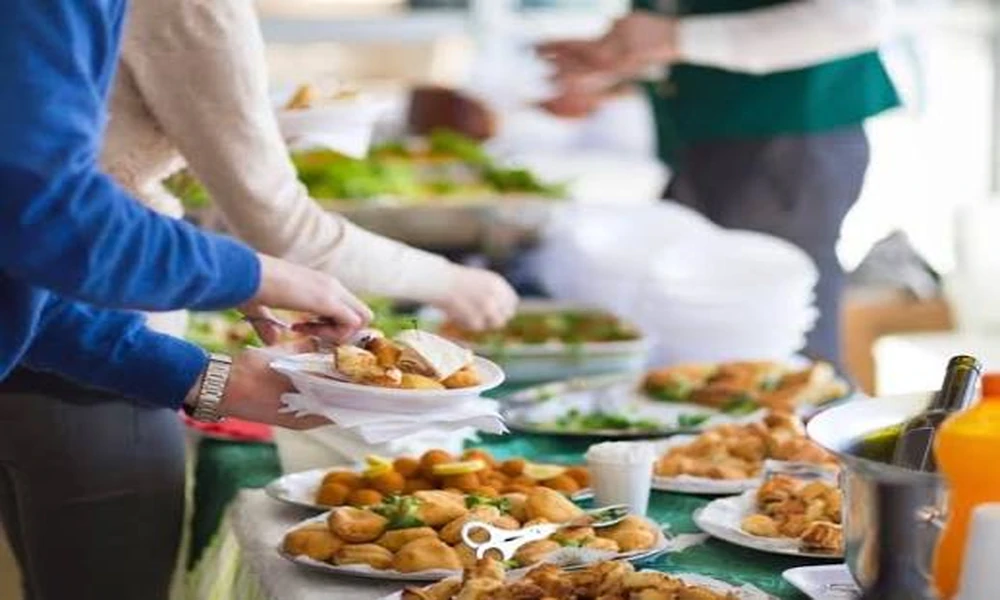
Workplace groups spend much of their time communicating through meetings, messages, reports, and software. That means many people know colleagues mainly through job roles. A practical food challenge changes the context. People have to work with real objects, visible deadlines, shared ingredients, and tasks that cannot be completed by sending another email.
Cooking is useful because the work is easy to understand even when participants have different professional backgrounds. Someone needs to prepare ingredients, someone watches heat, someone manages timing, and someone keeps the work area organised. The activity gives people immediate feedback without needing a complicated scoring system.
The format can also reveal habits that are difficult to notice in an office.
Some people take charge before listening. Others wait too long before offering an idea. Some are good at noticing missing details. Others keep morale steady when something goes wrong. These behaviours become visible in a low stakes task where the outcome is shared food rather than a quarterly target.
A cooking activity should not be treated as a test of who is the best chef. If culinary skill becomes the main measure, experienced cooks may dominate while beginners withdraw. The organiser should design jobs that allow different strengths to matter, including planning, communication, presentation, timekeeping, and practical preparation.
The physical environment matters too. People need enough room to work without crowding hot equipment. Instructions should be clear before cooking begins. Knives, grills, and other tools require supervision appropriate to the group. Safety rules should be brief, direct, and applied consistently so the activity remains comfortable for everyone.
Food also gives a group a natural finish point. Teams can compare what they made, eat together, and talk about what happened without forcing a formal debrief immediately. A manager can learn a great deal by listening to which moments people mention and how they describe cooperation, disagreement, or recovery from mistakes.
For companies researching team building milano, a cooking based format can be a practical option because it combines a group task with a meal. That can make the time easier to justify than an activity that has no connection to hospitality or shared downtime, especially when people are already travelling to meet in person.
The best business value comes from matching the activity to a real workplace need. A newly formed group may need low pressure ways to learn how colleagues communicate. A department that has worked remotely may need time together that is not another presentation. A group going through organisational change may benefit from a task where roles can be temporary and people can cooperate outside normal hierarchy.
It is still possible to design the activity badly. Competition can become uncomfortable if prizes are too important or if managers treat the result as evidence of workplace ability. Dietary needs can also be overlooked when the menu is planned around one type of food. Organisers should make participation accessible and give people meaningful jobs that do not require handling ingredients they cannot eat.
Team size changes the experience. Small groups can work on one recipe from start to finish. Larger groups may need several stations or different responsibilities that come together at the end. If there are too many people around one grill or preparation table, some participants will watch rather than contribute.
A useful debrief does not need corporate language. Ask what made the work easier, when communication broke down, who noticed a problem early, and what the group would change if it repeated the task. Those questions connect the activity to work without pretending that cooking and office performance are the same thing.
When managers later compare team building milano providers, they should look at facilitation, safety, group size, dietary planning, venue logistics, and how much each participant actually does. A good experience gives people something concrete to work on together and enough space to notice how cooperation happens. The meal is a welcome result, but the useful part is the shared process that produced it.
Location is another business consideration. An activity that requires a long journey may reduce attendance or turn a half day event into a full day away from work. A venue near the office or near public transport can make participation easier. If the cooking company can work at the employer’s premises, the organiser should check outdoor space, power, water, access, fire rules, and where staff can prepare ingredients.
Food challenges can also support cross department contact when groups are mixed deliberately. People who rarely work together can share a task without needing a formal networking exercise. The organiser can create groups that combine roles and seniority, then allow the practical work to provide the conversation. This is often more natural than telling people to introduce themselves around a meeting table.
The activity should finish at a sensible point. Employees need enough time to eat what they made and talk without immediately being moved into another workshop. If the event ends the moment judging is complete, much of the social value can disappear. A short meal period gives the group time to relax and helps the shared task feel complete.