


Understanding the Basics of Investment Casting
Investment Casting is a manufacturing method used to create precise and detailed metal parts. It is often used in industries such as aerospace, automotive, medical equipment, and engineering. The process begins by making a wax model of the desired part. This model is coated with a ceramic material to form a mould. Once the ceramic shell hardens, the wax is melted away, leaving an empty mould. Molten metal is then poured into this mould to create the final component.
Quality control is very important in this process. Even small mistakes can lead to defects in the finished product. Because the parts produced through Investment Casting are often used in critical applications, they must meet strict standards. Careful monitoring at every stage helps ensure accuracy, strength, and reliability. Manufacturers check materials, equipment, and procedures regularly. This helps reduce errors and ensures that the final components meet the required specifications.
The Importance of Material Inspection
One of the first steps in quality control is checking the raw materials. The metals used in Investment Casting must meet certain chemical and physical standards. If the metal contains impurities or incorrect compositions, the final casting may become weak or defective.
Manufacturers often perform laboratory tests to analyse the metal before production begins. These tests confirm that the alloy meets the required standards. Materials such as stainless steel, aluminium, and nickel-based alloys are commonly used. Each material behaves differently when melted and cooled, so proper testing is necessary.
Wax materials used to create the patterns must also be checked. Poor-quality wax patterns can cause shape errors or surface defects in the final casting. By inspecting materials early, manufacturers prevent problems later in the production process. This step saves time and reduces the risk of costly rework.
Process Control During Production
Quality control continues throughout the production process. Each stage of Investment Casting must be carefully monitored to maintain accuracy and consistency. Workers check the wax pattern creation process to ensure the shapes are correct and free from damage.
Another important step is the creation of the ceramic shell. The shell must be strong enough to hold molten metal while also maintaining the exact shape of the part. If the shell is too thin or uneven, the casting may fail during pouring.
Temperature control is also essential. The metal must be heated to the correct temperature before pouring. If it is too hot or too cold, it may not fill the mould properly. Monitoring these conditions helps reduce common casting defects such as air pockets, cracks, or incomplete filling.
Proper documentation and standard operating procedures also help maintain consistent quality. These guidelines ensure that every batch of castings follows the same reliable process.
Inspection and Testing of Finished Castings
Once the casting process is complete, the finished parts must be inspected carefully. Visual inspection is often the first step. Workers look for surface defects such as cracks, rough areas, or incomplete shapes. Even small imperfections can affect the performance of the component.
In many cases, additional testing methods are used. These may include non-destructive testing techniques such as X-ray inspection or ultrasonic testing. These methods allow engineers to detect internal defects without damaging the part.
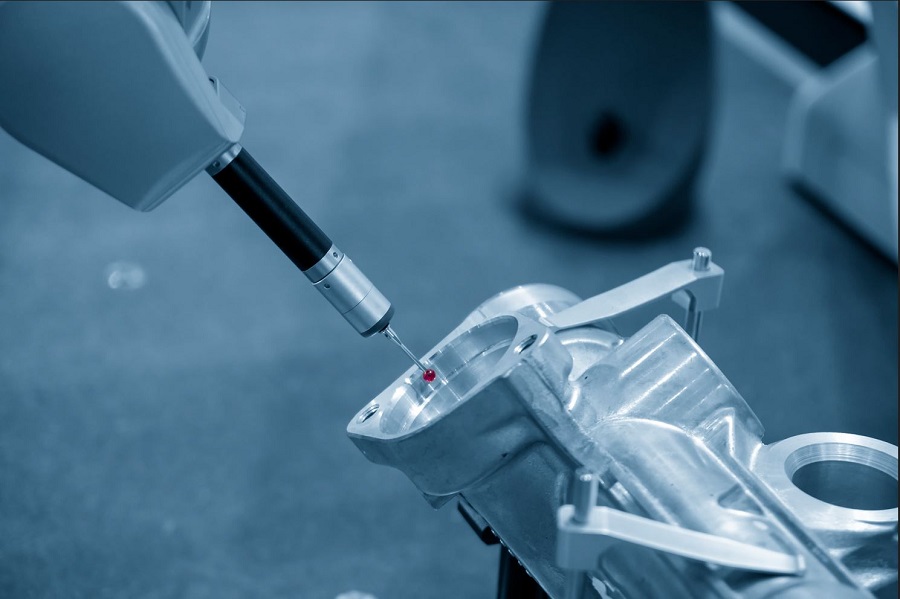
Dimensional inspection is also important. Precision measuring tools confirm that the casting matches the required design specifications. If the dimensions are incorrect, the component may not fit properly in its intended system.
By performing these inspections, manufacturers ensure that only high-quality parts move forward for use or assembly.
Continuous Improvement in Quality Control
Quality control in Investment Casting is not only about finding problems. It is also about improving the process over time. Manufacturers often collect data during production and inspection. This information helps them identify patterns or repeated issues.
When a defect appears, engineers analyse the cause. They may adjust temperatures, improve mould design, or change handling procedures. These improvements help prevent the same problem from occurring again.
Training is another important factor. Skilled workers who understand the process are more likely to spot potential issues early. Regular training helps maintain high standards and keeps workers informed about updated techniques.
Through careful monitoring and ongoing improvement, the Investment Casting process can produce reliable and accurate metal components. Strong quality control ensures safety, efficiency, and long-term performance in many important industries.